Mold in Glen Allen & Innsbrook
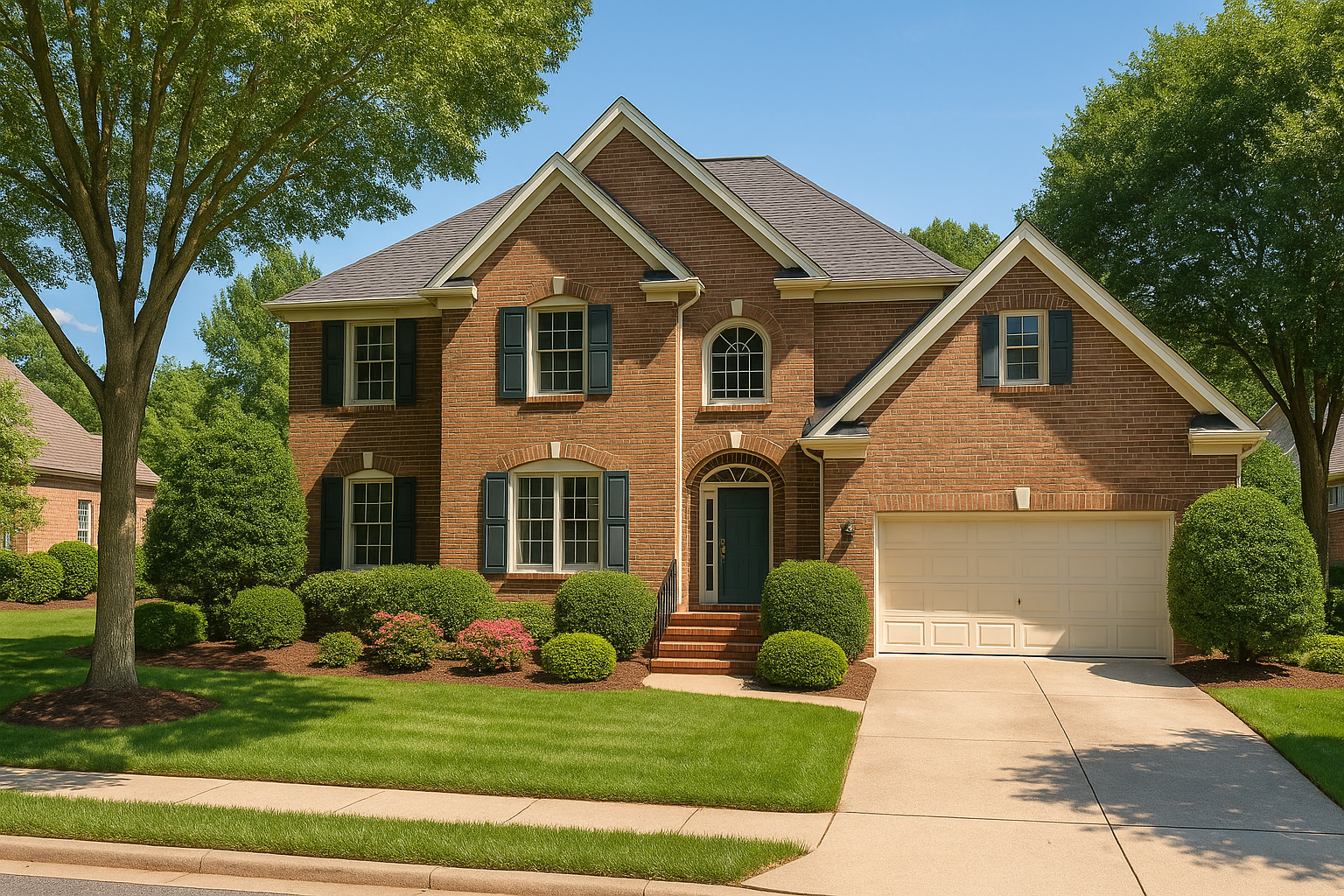
Glen Allen — northwestern Henrico across 23059 and 23060, wrapped around the Innsbrook office park — is planned-community country: Wyndham, Twin Hickory, Foxhall, and Wellesley, most built from the 1990s onward, plus the office and retail of Innsbrook. It's newer and tidier than the historic city, but it sits on the same clay, and the same Central Virginia humidity works on it all summer.
The great majority of these homes have crawl spaces. Builders in the 1990s and 2000s largely still used vented crawl spaces with thin or partial vapor barriers, which in this climate means the same humidity-driven mold on joists and subfloor you'd find in a much older house — just under a newer floor. Clay soil holds the water; the crawl space breathes the summer air; the stack effect carries the musty result upstairs. Homeowners here are often surprised to find a moisture problem in a house they consider practically new.
Innsbrook adds a commercial dimension: office buildings and multi-tenant space with flat roofs and large HVAC systems, subject to the same leaks and condensation as any commercial building. Between the residential subdivisions and the office park, Glen Allen sees both home and commercial remediation.
What local pros watch for in Glen Allen
A remediator here reads the crawl-space vapor barrier and humidity in 1990s-and-newer builds, checks grading on subdivision lots, and — around Innsbrook — treats office space as commercial work. Upgrading a builder-grade crawl space to full encapsulation and dehumidification is the most common lasting fix.
The seasonal pattern here
Central Virginia's calendar drives the mold. From late spring through early fall, Richmond sits under warm, humid, subtropical air — relative humidity routinely climbs into the 80s and 90s, and the region's dense clay soil holds the moisture and releases it slowly. That's the long stretch when vented crawl spaces breathe wet air onto cool wood, AC systems and ducts sweat, and attics and bathrooms struggle to dry out. Layered on top is hurricane and tropical-storm season, which every few years sends heavy rain and flash flooding through the metro's creeks and low-lying districts. Winters are mild and comparatively dry, but they don't undo a summer's worth of moisture — so a problem that starts in July is often still growing quietly in January. Knowing that rhythm is half of staying ahead of it.
The daily cycle matters as much as the season. On a typical Richmond summer day the dew point stays high overnight, so surfaces that cooled after dark — a crawl-space joist, a basement wall, the underside of the roof deck — sit below the dew point and collect moisture in the early morning, then never fully dry before the next humid night. Repeat that for weeks and materials stay damp enough to grow mold without a single drop of rain or a visible leak. The shoulder months of April and October are the quiet windows when a home can actually dry out, which makes them the ideal time to inspect a crawl space, clear gutters, check grading, and get ahead of any moisture problem before the humid stretch returns. If you only look at your crawl space or lower level once a year, make it spring — catching a damp space before June is far easier than fighting it in August.
What to expect from a quote
A local pro will assess the home — reading the crawl space or basement, mapping moisture, and identifying the source, not just the visible mold — and give you a written, no-obligation estimate. Compare it against our Richmond cost guide and the estimator so you know the number is fair before you commit to anything.
Nearby areas we cover
We also connect homeowners with licensed local mold pros in the West End & Short Pump, Ashland, Mechanicsville, and across the rest of the Richmond metro — the city itself plus Henrico, Chesterfield, and Hanover counties. Because moisture problems don't stop at a neighborhood line and the same clay soil and humid summers affect the whole region, the pro we match you with will know the housing and ground conditions on your particular block. Not sure which area you're in, or don't see your neighborhood listed? Just call — we cover the whole metro and we'll sort out who's the right fit for your home.