
Why testing matters in Central Virginia
Mold is a symptom. In Richmond the underlying cause is almost always moisture, and the moisture usually starts somewhere you can't see — a vented crawl space breathing humid July air onto cool joists, an AC line sweating behind a wall, a slow roof leak, or clay soil holding water against a foundation. A visible spot in a closet or along a baseboard is often the last place the problem shows up, not the first. That's why a proper inspection reads the whole moisture story of the house before anyone recommends removing a square foot of drywall.
An inspection also protects you from spending money you don't need to spend. Not every dark patch is toxic mold, and not every musty smell means a five-figure project. Independent testing tells you what species you have, how much of it, and whether it's a surface nuisance or a structural problem — so the quote you get later is grounded in evidence instead of guesswork.
What a Richmond mold inspection covers
A thorough local inspector walks the whole envelope of the home, not just the room where you noticed something. In a typical Richmond house that means:
- The crawl space. The single most important stop in Central Virginia. The inspector checks the vapor barrier, insulation, floor joists, subfloor, and standing moisture, and reads the relative humidity under the house.
- Moisture mapping. Using moisture meters and often an infrared camera, the inspector finds wet materials behind finishes — the wall that reads damp when it should be dry, the ceiling under a bathroom, the band joist that never dries out.
- The attic. Roof-deck staining, bath fans dumping humid air into the attic instead of outside, and blocked soffit vents are all common Richmond findings.
- Air and surface sampling. Air cassettes and swab or tape-lift samples go to an accredited lab, which identifies the mold genera and compares indoor spore counts to an outdoor control.
Understanding your lab report
A few days after sampling you'll get a lab report. Two numbers matter most: the types of mold present and the indoor-versus-outdoor spore comparison. If indoor counts are far higher than the outdoor baseline, or if you see water-damage indicator molds like Stachybotrys or Chaetomium, that points to an active moisture problem inside the home. A good inspector translates the lab language into plain English and, crucially, ties it back to the moisture source they found — because clearing the mold without fixing the water just resets the clock.
Inspection before you buy or sell
Richmond's housing stock skews old, and a lot of transactions in the Fan, Church Hill, the Museum District, and the Northside involve homes with a century of moisture history under them. If you're buying, an independent mold and moisture inspection during your due-diligence window can save you from inheriting a wet crawl space you didn't budget for. If you're selling, getting ahead of it — and having documentation that the crawl space is dry and encapsulated — removes a common closing-table headache.
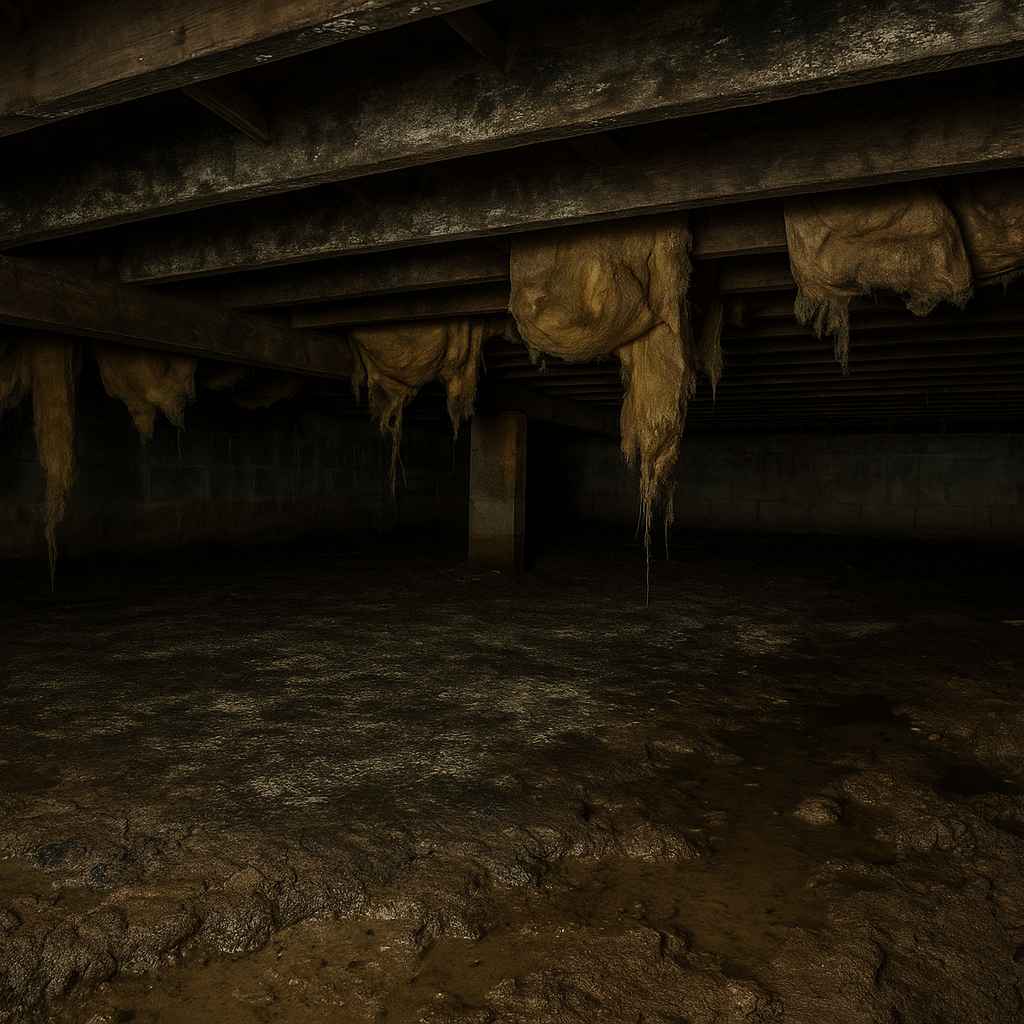
A vented crawl space the inspection flagged
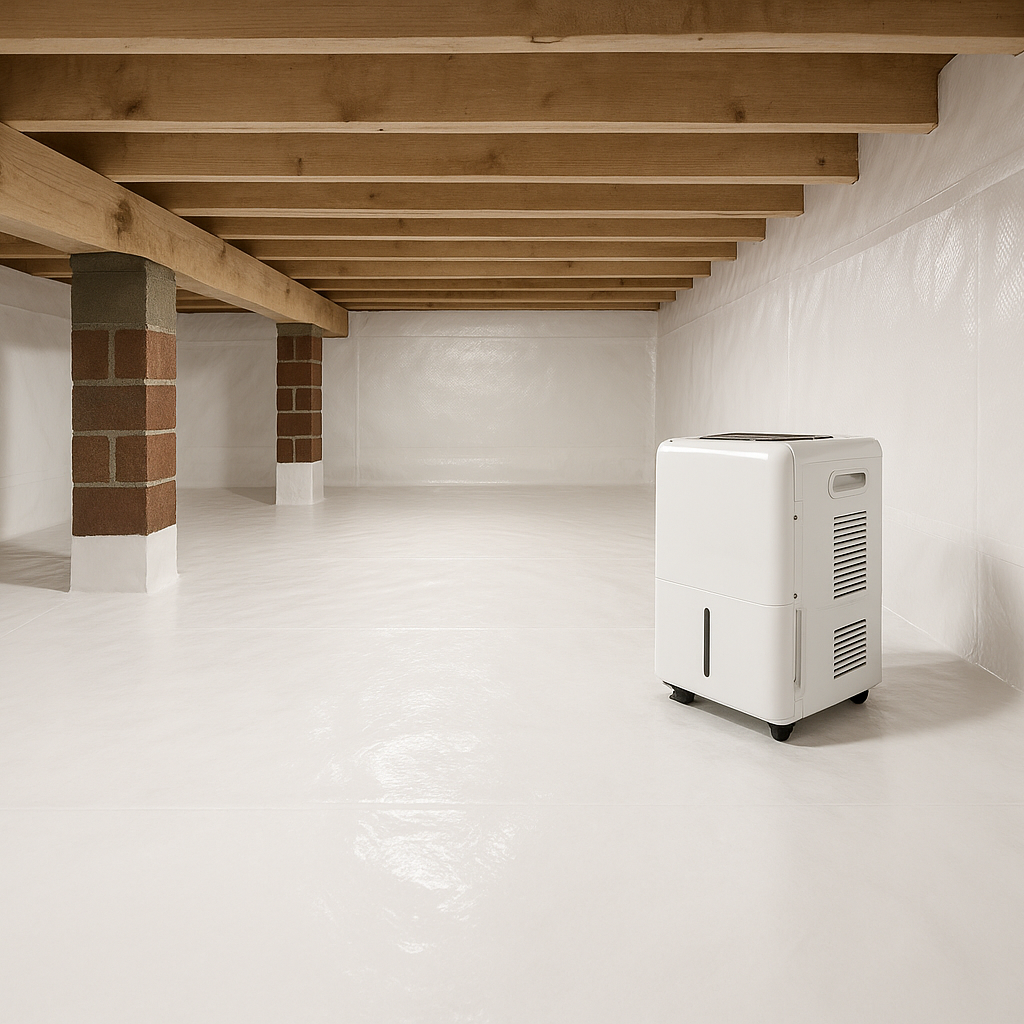
The same space after encapsulation and drying