
Straight talk about mold and health
Mold health information online swings between two extremes: either it's harmless, or it's behind every symptom imaginable. The truth is in between, and it's worth understanding so you can make sensible decisions without panic. (This is general information, not medical advice — talk to a doctor about specific symptoms.)
What mold can do
The well-established effects of indoor mold exposure are mostly respiratory and allergic:
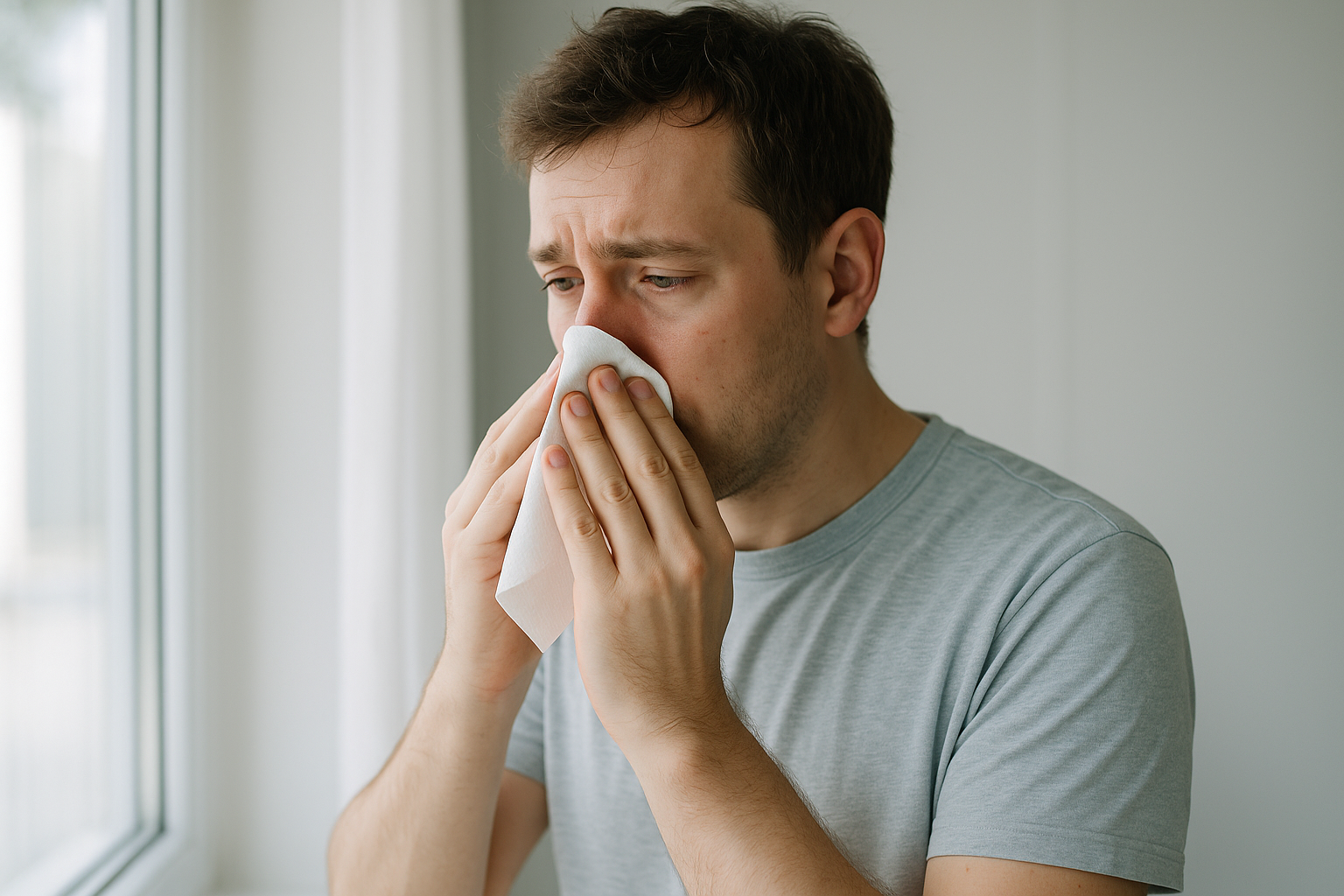
- Allergic reactions. Sneezing, runny or stuffy nose, itchy eyes, and skin irritation are the most common responses in sensitive people.
- Asthma effects. Mold can trigger asthma attacks in people who have asthma, and damp, moldy environments are associated with the development and worsening of respiratory problems.
- Irritation. Even people without allergies can experience airway, eye, and skin irritation in a heavily contaminated space.
- Infections. In people with seriously weakened immune systems, certain molds can cause opportunistic infections — uncommon, but a real reason for those individuals to avoid moldy environments.
Who's most at risk
Some people react more than others. Infants and children, older adults, people with asthma or allergies, those with chronic lung conditions, and anyone with a compromised immune system are the groups most likely to be affected and the ones worth protecting first. A healthy adult may notice little; a child with asthma in the same house may struggle.
What the science doesn't clearly support
Claims that ordinary household mold causes a long list of severe, unrelated illnesses aren't well supported by the evidence. "Toxic mold" makes dramatic headlines, but for most people in most homes, the realistic concern is allergy and asthma symptoms, not exotic disease. Being clear-eyed about this helps you respond proportionately — take mold seriously as a moisture and air-quality problem, without spiraling into fear.
Signs mold may be affecting your household
A useful clue is timing and location: symptoms that consistently improve when you leave the house and return when you come back suggest something in the indoor environment. Persistent congestion, a scratchy throat, or asthma that's harder to control in a home with a known musty smell or damp crawl space is worth investigating on both fronts — medically with a doctor, and physically with a home inspection.
Reducing exposure while you sort it out
If you suspect mold and someone in the home is sensitive, there are sensible steps to take while you arrange an assessment — without disturbing the mold itself. Keep the affected area closed off, and try to keep your HVAC from circulating that room's air through the rest of the house. Run air conditioning to keep indoor humidity down, since drier air slows growth and reduces airborne spores. A portable HEPA air purifier in occupied rooms can help capture spores. Avoid the temptation to scrub or knock down visible mold yourself, which sends a burst of spores into the air — the opposite of what a sensitive person needs. And don't rely on bleach fumes or fragrance sprays to "treat" the air; they mask the smell without removing the source and can irritate airways further.
Children, and why Richmond's climate matters
There's reasonable evidence linking damp, moldy homes to the development and worsening of asthma and wheezing in children, which is why families with young kids have extra reason to take a persistent moisture problem seriously. Richmond's long humid season makes this a year-round rather than seasonal concern: a crawl space or bathroom that stays damp from May to September gives mold months to build up, and the stack effect carries that under-floor air into the bedrooms above. Fixing the moisture — not just wiping the mold — is what actually improves the air a child breathes night after night.
The practical takeaway
You don't need to panic, but you shouldn't ignore it either. If there's visible mold or a persistent musty smell, the sensible response is to find and fix the moisture and remove the mold — which improves your air whether or not anyone's symptomatic. If someone in the home is in a sensitive group and having symptoms, move that up your priority list. To get the moisture found and fixed, call (804) 292-2499.