
When it's the whole house, not one room
Sometimes the problem isn't a single wet wall — it's mold turning up in the crawl space, the closets, the HVAC, and two bathrooms at once. That pattern almost always traces back to one systemic moisture source that the whole house shares: a chronically wet crawl space feeding the entire structure through the stack effect, a long-running roof or plumbing leak, a flood that wasn't dried fast enough, or a home that sat closed and humid through a Richmond summer while it was vacant. When the moisture is systemic, spot-fixing one room just moves the problem next door.
Whole-home remediation treats the house as one system. It's the right approach for homes with widespread contamination, for a property being prepped for sale, for a home someone's health depends on getting right, and for older Richmond houses where decades of moisture have finally caught up all at once.
How a coordinated project runs
A whole-home job is phased so the work happens in the right order and nothing gets recontaminated:
- Full inspection and moisture mapping to find every affected area and, critically, the shared moisture source driving them.
- A written scope laying out each zone, the materials to be removed, and the sequence — so you know what's happening and what it costs.
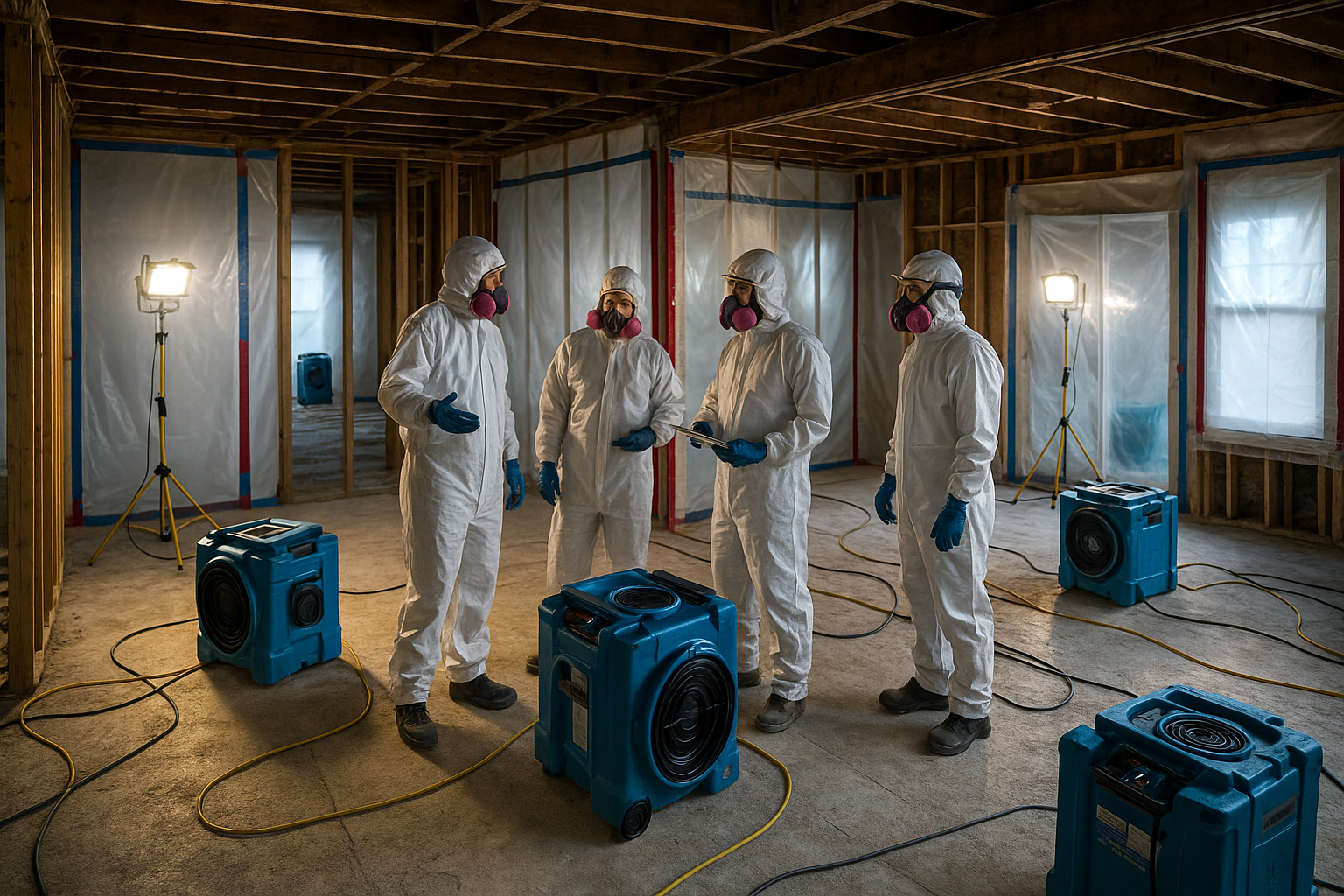
- Containment by zone with negative air pressure, so remediating the crawl space doesn't push spores into the bedrooms.
- Removal and HEPA cleaning of contaminated materials across the home, including the HVAC if it spread spores through the ducts.
- The systemic moisture fix — usually crawl space encapsulation, drainage, ventilation, and dehumidification — so the whole house stays dry afterward.
- Whole-home clearance testing to confirm every zone is back to normal before the project closes.
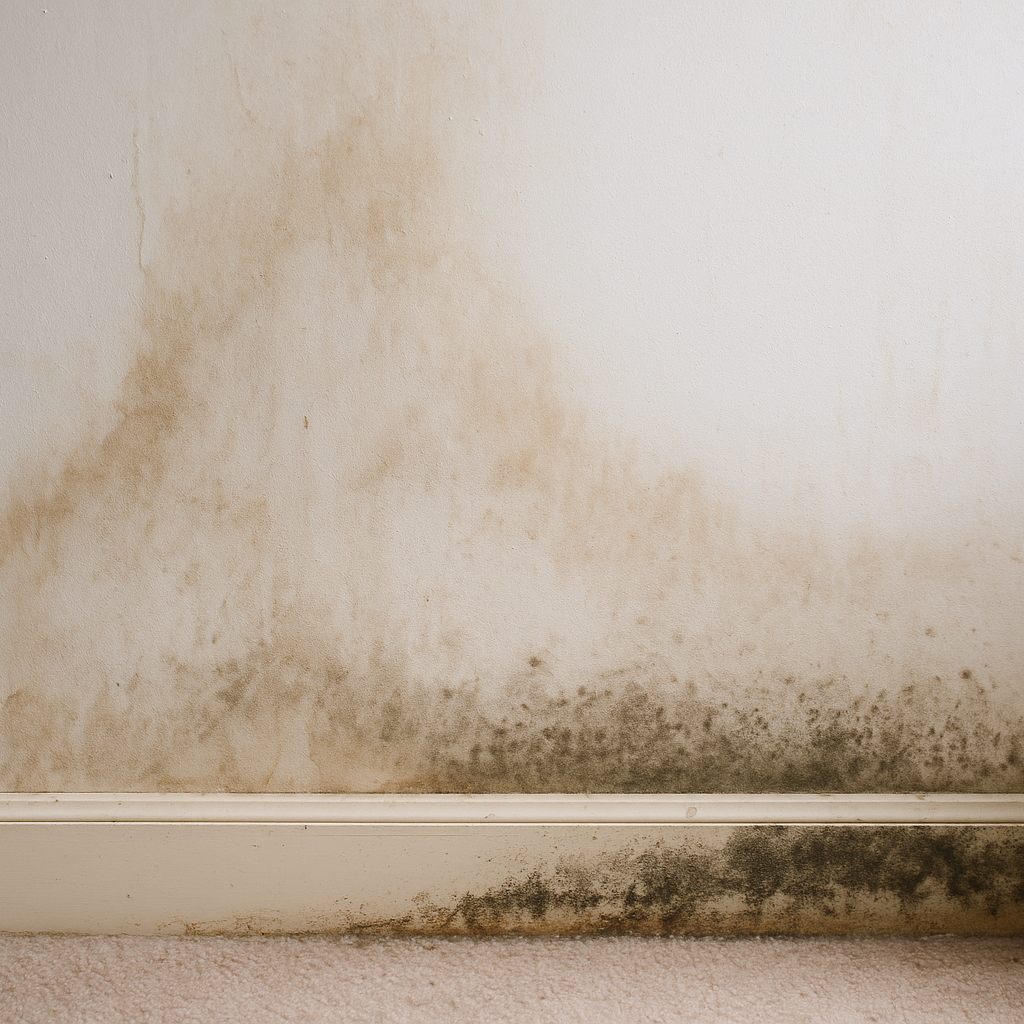
Contamination spreading room to room

Remediated and rebuilt after the source was fixed
Don't pay for the same job twice
The most expensive way to handle widespread mold is one room at a time, because you end up re-mobilizing crews, re-testing, and often re-doing work as the untouched moisture source keeps spreading. A single coordinated project that fixes the source once is almost always cheaper and more durable than a string of patch jobs. It's also far less disruptive to live through — one planned project instead of a rolling series of surprises.
Living through it
Good crews stage whole-home work so you can often stay in part of the house, sealing and running one zone at a time. For heavier projects, or when someone in the home is medically sensitive, it may be worth arranging to be out for the most intensive phases. A reputable Richmond remediator will walk you through the timeline and what to expect before anything starts.