
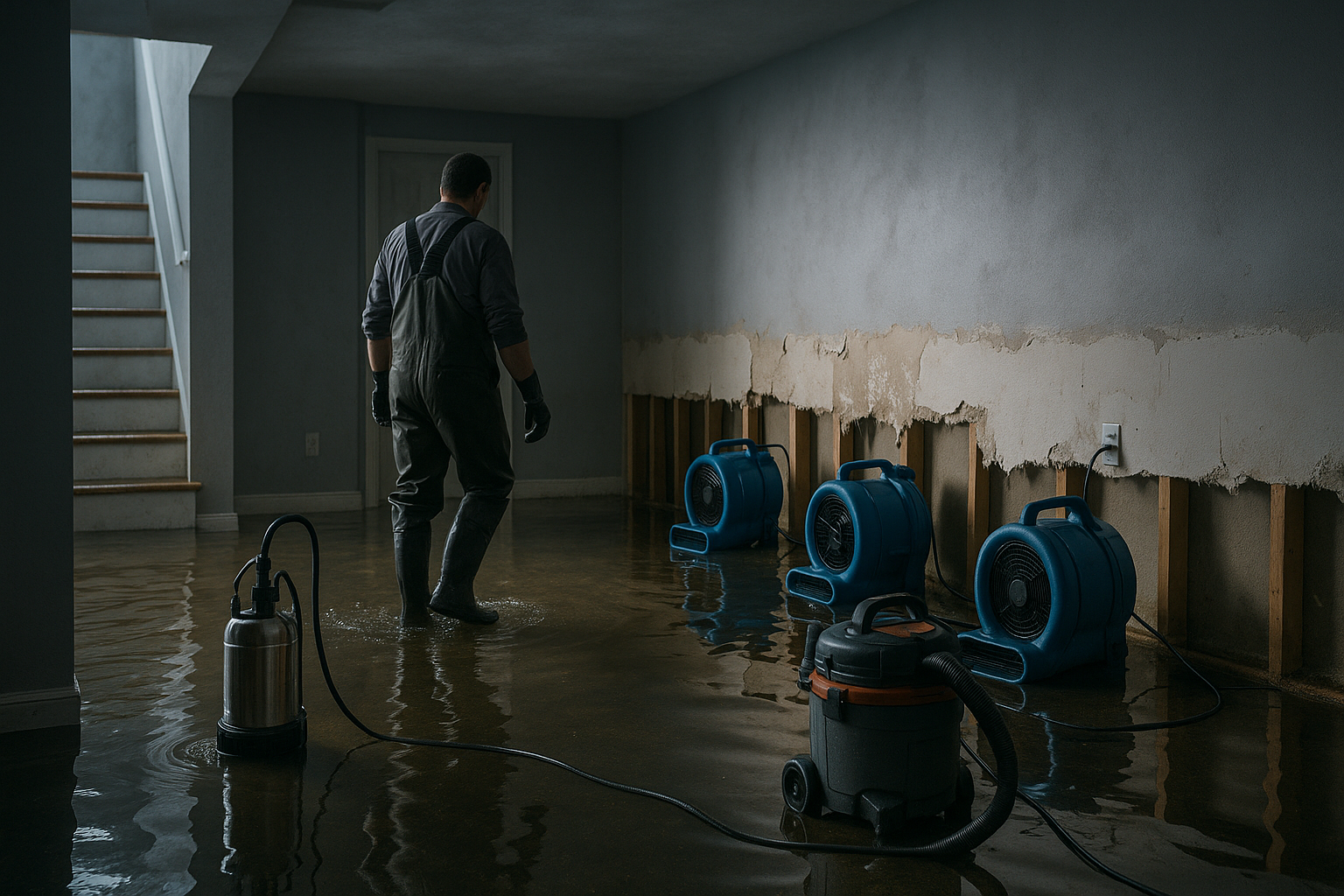
Richmond is a water town
The James River made Richmond, and it has flooded it many times. Hurricane Agnes in 1972 sent the river to a record 36.5 feet and devastated Shockoe Bottom and Manchester. Camille's remnants in 1969, the November 1985 flood, and Tropical Storm Gaston in 2004 — which killed several people and swamped Shockoe Bottom with flash flooding from the creeks, not just the river — are all still in living memory. The 1995 floodwall protects the low downtown districts from the river itself, but it does nothing for the water that matters to most homeowners: hurricane rain, flash flooding off Central Virginia's creeks, sump and drainage failures, and burst pipes.
Whatever the source, water damage follows the same brutal timeline. Mold can begin colonizing wet drywall, carpet, and framing within 24 to 48 hours. That's why water damage is a race, and why the response in the first two days largely determines whether you end up with a drying bill or a full mold remediation.
The first 48 hours
If it's safe to be in the home, the priorities are simple: stop the water source if you can, get standing water out, and start drying immediately. A professional water-damage crew brings the equipment that makes the difference — truck-mounted extraction, commercial air movers, and dehumidifiers that pull a house down to a safe moisture content far faster than household fans ever could. They also know what to save and what to sacrifice: solid wood and structural materials can often be dried in place, while soaked carpet pad, drywall that wicked water up from the floor, and wet insulation usually have to go.
- Extraction. Standing water is pumped and vacuumed out fast.
- Demolition where needed. Unsalvageable porous materials are removed before they can grow anything.
- Structural drying. Air movers and dehumidifiers run for days, monitored with moisture meters until framing and subfloor read dry.
- Antimicrobial treatment. Surfaces are treated to suppress growth during drying.
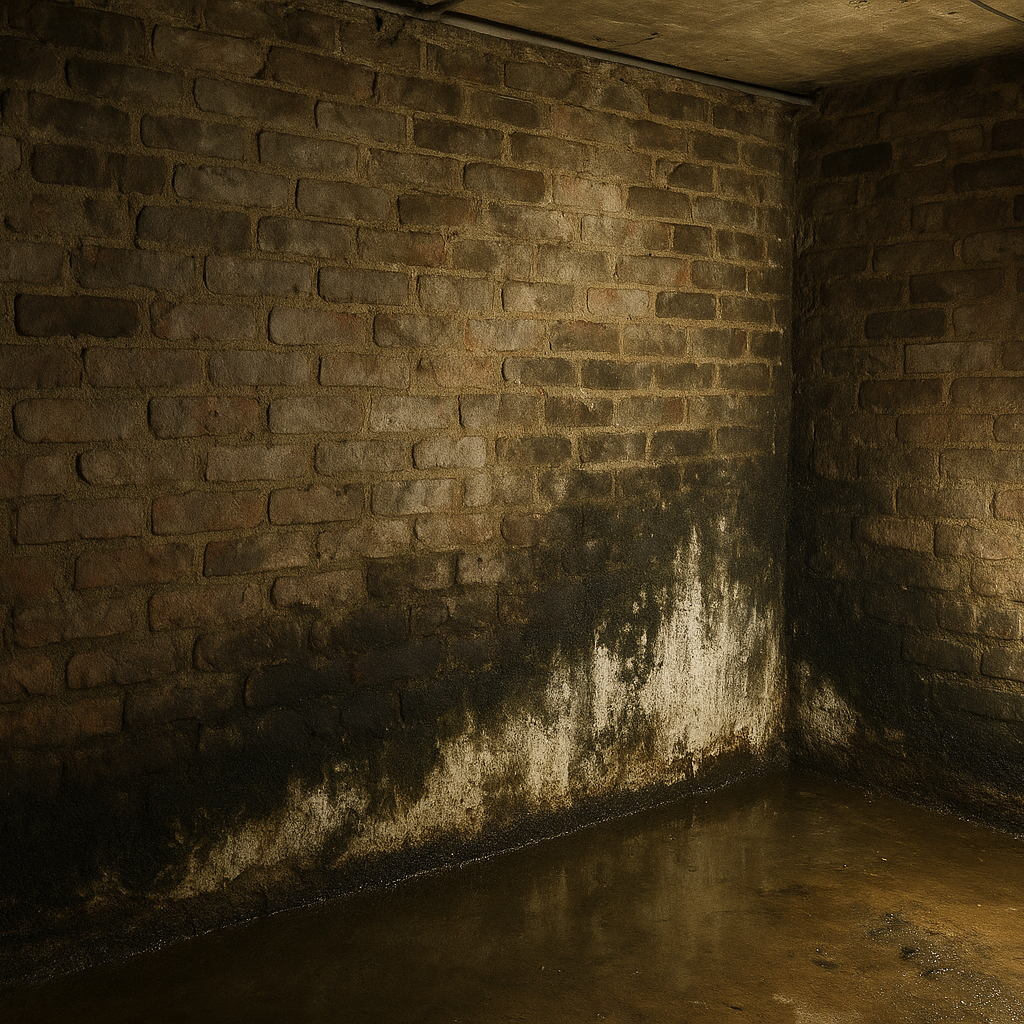
Water line and early mold after a storm
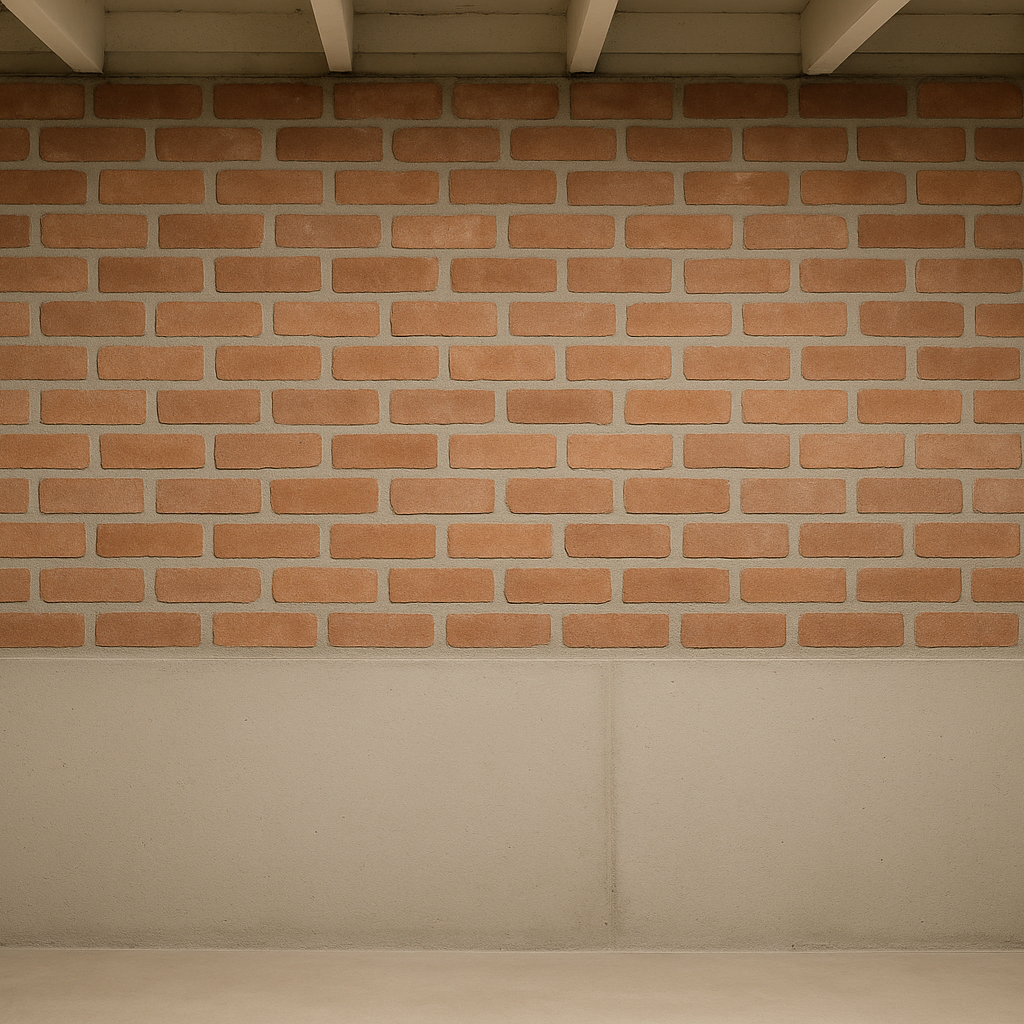
Dried and remediated before mold could spread
When drying alone isn't enough
If the water sat for more than a day or two before drying started — a common story when a basement floods while you're away, or a slow leak runs behind a wall — mold has usually already taken hold. At that point the job crosses from water restoration into mold remediation: containment, removal of contaminated materials, HEPA filtration, and clearance testing. A good crew handles the handoff seamlessly, but it's why speed matters so much on day one.
Category matters: clean, grey, or black water
Not all flood water is equal. Clean water from a supply line is one thing; "grey water" from appliances and "black water" from sewage backups or river flooding carry contamination that changes the safety protocol and what can be salvaged. Sewage and river-flood water in particular require careful handling and disposal — another reason a storm-flooded Richmond home is a job for licensed pros, not a wet-vac and a hope.